
Desborough farm plants 101-tree orchard to restore lost countryside tradition
A family-run farm park in Desborough has planted a new four-acre traditional orchard as part of a long-term plan to restore biodiversity and reconnect visitors with the countryside.
West Lodge Farm has introduced 101 apple and pear trees, including 43 different varieties made up of dessert fruit, cider apples and perry pears.
The orchard has been designed as a traditional high-stem orchard, meaning the trees will grow up to seven metres tall, creating a rich and varied habitat for wildlife.
Historically, orchards like this were a common feature of the English landscape. Many were removed after the Second World War as farming intensified. This project aims to help bring back part of that lost ecosystem.
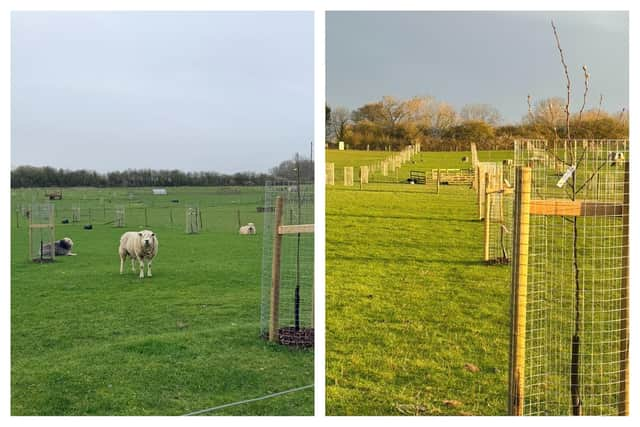

The new orchard is expected to attract a wide range of species, including flycatchers, bullfinches and yellowhammers, alongside a variety of insects and pollinators.
As well as supporting wildlife, the orchard will also play an active role in farming on site. The trees provide natural shelter for livestock, and the area is already being used to graze rare breed sheep and their newborn lambs among the rows.
A spokesperson for West Lodge Farm said: "In time, the orchard will also become part of the visitor experience. As the trees mature over the next seven years, families will be able to walk through the orchard, pick fruit, and take part in traditional apple pressing."
Farmer Ryan, who already makes his own cider at home, said: “We wanted to create something that restores a piece of the countryside while giving families a real connection to it. Orchards like this used to be everywhere, and bringing one back feels important. It’s great to already see the sheep and lambs using the space, and in a few years, visitors will be able to walk through, pick fruit and see how it’s turned into juice or cider.”
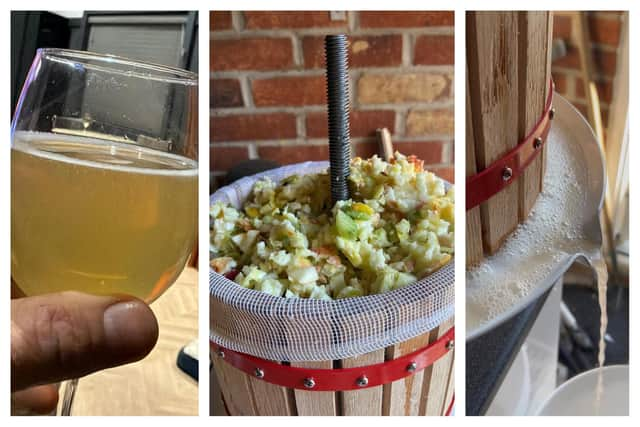
The project also focuses on increasing genetic diversity by planting a wide range of fruit varieties, helping to preserve traditional species that are less commonly grown today.
West Lodge Farm, which has welcomed visitors for over 30 years, said it will "continue to invest in experiences that combine farming, education and the environment".