
Revealed: Leicestershire towns with the most empty shops
As British high streets continue to feel the pressure, new data shows dozens of shops across Leicestershire are currently standing empty.
Analysis from the Centre for Social Justice claims the country’s high streets are changing and not necessarily for the better.
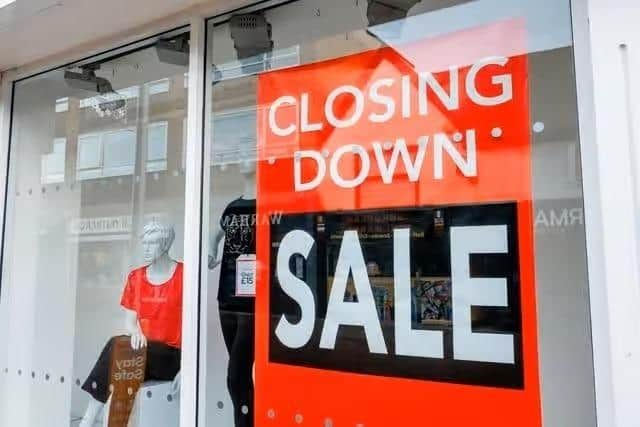

According to the report, nearly 1,800 pubs and bars have been lost in the UK since 2016, while tobacco and vape outlets rose from 245 to nearly 2,200 in the same period.
Which? also highlights the “frightening pace” that British banks are closing their doors, with just under 7,000 during a similar period.
The government has been introducing measures allowing local authorities to sort out their town centres, including more control over the number of vape and betting shops and lower business rates for nightlife venues.
Since 2024, Westminster has also pushed its High Street Rental Auctions (HSRAs) initiative, which requires landlords to rent out continually vacant units to local businesses or community groups.
However, only one area in Leicestershire is seriously looking at implementing the programme.
The Local Democracy Reporting Service (LDRS) asked all the county’s borough and district councils to share the retail vacancy rates in their biggest towns.
While all results came in under the national average of 14 per cent, the data shows that many county towns still have dozens of empty units.
- In June 2026, Loughborough’s vacancy rate was just more than 12 per cent, making it the emptiest in Leicestershire.
- Next was Coalville, where 10 per cent of shops stood empty according to the latest data.
- Hinckley had a rate of 9 per cent.
- The market town of Melton came in at 7.4 per cent.
- The figure for vacant retail units in Oadby was 6.6 per cent.
- Performing better were the towns in Harborough district, with 4 per cent of shops in Lutterworth currently empty.
- The district’s hub, Market Harborough, had a score of 3 per cent.
- In North West Leicestershire’s Ashby-de-la-Zouch, 2 per cent of shops were vacant.
- Only 1.6 per cent of Oadby’s units were unoccupied, making it the least empty in the county.
Charnwood
Charnwood Borough Council, which oversees that chart’s worst performer of Loughborough, said the number of new businesses opening in the town centre is still outstripping the number of closures.
It is the only council which is considering the HSRA legislation, saying it was currently assessing how the powers could be used locally to help bring long-term vacant commercial properties back into productive use.
Of the 74 unoccupied units reported, 29 of them have addresses at Carillon Court, which is currently at the centre of a major demolition plan to make way for student digs.
A council spokesperson said: “In recent years, through Loughborough Town Deal, we have been able to secure and invest millions of pounds in projects designed to make Loughborough town centre a more attractive place to visit, work and spend time.
“This has included improvements to public spaces like Bedford Square, upgrades to the ever-popular Loughborough Markets, more events to increase footfall, the opening of The Generator, and enhancements to nearby Queen’s Park.
“This is in addition to our ongoing operation of Loughborough Town Hall and Charnwood Museum, which attract thousands of visitors to the town each year and contribute significantly to the local economy.
“We recognise high streets everywhere are facing significant challenges as shopping habits have changed vastly. Earlier this year we refreshed the Loughborough Town Centre Masterplan which sets out a roadmap, identifying potential improvements to make the town centre more vibrant and attractive.”
North West Leicestershire
This district’s towns were among the highest and lowest performers for retail vacancy in the county.
It says it is assessing how effective the HSRA scheme is but does not have the resources to launch it yet.
A spokesperson added the vacancy rate only shows “part of the picture” in terms of the health of the area’s retail sector, pointing to other important factors such as the range of shops, the street scene, and the parking options on offer.
Hinckley & Bosworth
Hinckley and Bosworth Borough Council has made a “conscious decision” to “hold back” on pursuing High Street Rental Auctions, but said they are “monitoring” how other authorities are utilising this new power.
This is reportedly due to the potential “bureaucratic implications” which would be involved.
Melton
Melton Borough Council said that due to a quick turnover rate in vacant properties, there was no need to pursue the government’s HSRA scheme.
It says footfall in the town increased by 10 per cent last year, bringing the total visitors to more than two million. It adds those gainsare being sustained this year despite the “ongoing challenges facing the retail sector nationally”.
Councillor Donald Pritchett, portfolio holder for planning policy, economic growth and town centre, said: “Across the borough of Melton, we benefit from a strong mix of national and independent businesses, alongside thriving local centres that support communities and attract visitors.
“Melton Mowbray’s distinctive market town character, regular events programme and well-established food heritage continue to play a significant role in supporting footfall and town centre businesses throughout the year.”
Oadby & Wigston
Oadby and Wigston Borough Council is another local authority choosing not to move forward with the HSRA initiative.
It says vacancy rates are low, and in fact, Wigston hit its lowest vacancy rate in over a decade earlier this year, with just two shops available to let.
The council’s leader, Councillor Samia Haq, said: “Our town centres are bucking national trends seeing a year-on-year increase in footfall while shop vacancy rates remain well below the national average.
“Shopping habits have changed dramatically over the past 20 years with a significant shift to online retail, and as a council our investment has been focused on creating town centres that are safe, attractive and enjoyable places to spend time and money.”
Harborough
Harborough District Council said its “strong occupancy levels” meant it too was not looking into implementing the HSRA.
A spokesperson said: “We are extremely proud of the strength of our local retail economy across Harborough district. Our market towns benefit from a distinctive mix of independent retailers, national brands, cafés, restaurants and leisure businesses that help create vibrant destinations throughout the year.
“This success has been supported by significant investment from the council, including investment into Market Harborough’s Indoor Market, business support and retail grant programmes, exciting town centre events and the development of the Cultural Quarter.
“These initiatives have helped support footfall, develop local businesses and maintain some of the lowest retail vacancy rates in the region.
“The council will continue to work closely with businesses, landlords and town centre partners to ensure our high streets remain vibrant, resilient and attractive places.”
No data could be retrieved for the towns of Shepshed, Syston, or Braunstone Town.