
One of Lutterworth's most famous sons features on Royal Mail's new commemorative stamps
One of Lutterworth's most famous sons features on the Royal Mail's new commemorative stamps.
The stamps mark 30 years since the death of Sir Frank Whittle, the inventor of the jet engine, and went on general sale on July 30.
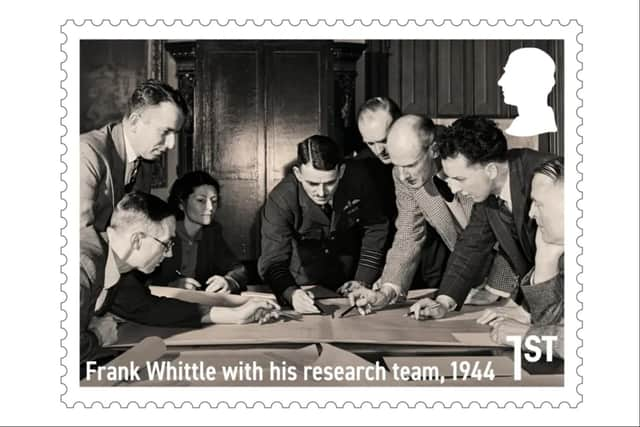

Most of the jet engine development was carried out in Lutterworth and the Lutterworth & District Museum has the finest collection of Whittle memorabilia in the country.
“This honour is entirely justified,” said museum chairman, Tony Hirons, "and we are all delighted for him and his son Ian. Ian will be returning to The Wycliffe Rooms, here in Lutterworth, in September to talk about his father and also his own career as a pilot for Cathy Pacific airlines.
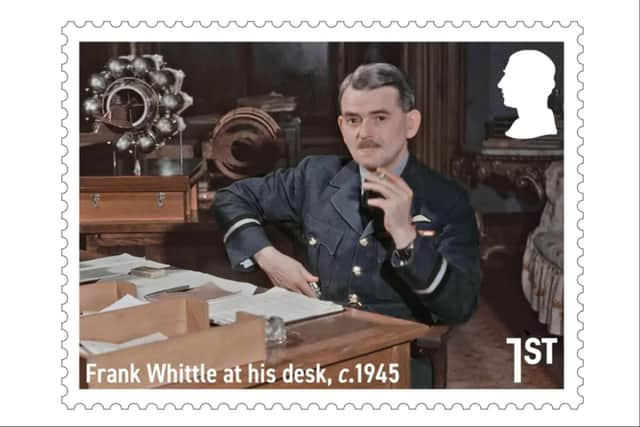
“We are hoping that this increased interest in Sir Frank will also result in a surge of visitors to the museum."
Lutterworth Museum, in the centre of Lutterworth, is open from 10.30am – 3.30pm Thursday to Saturday and 1pm – 3.30pm on Sunday.
The stamps
The issue, announced by Royal Mail on July 23, comprises eight First Class stamps depicting British military jet aircraft, together with a separate four-stamp miniature sheet devoted to Whittle. The miniature sheet marks the 30th anniversary of his death and the development work that laid the foundations for modern military and commercial aviation. The stamps were designed by Webb & Webb Design Ltd and printed by Cartor Security Printers.
Whittle's link between Lutterworth and Rugby
Whittle founded Power Jets Ltd in 1936 and set up at the British Thomson-Houston works in Rugby, where the WU engine first ran on April 12, 1937. Development moved to a disused foundry at Lutterworth, and by 1940 the company had outgrown it. Rooms were taken at Brownsover Hall in Rugby, which sat conveniently between the Rugby works and the Lutterworth test beds and was private enough for wartime secrecy. Whittle moved his office there, taking his senior design staff with him, and stayed until 1946. Two of the four photographs used for the stamps were taken inside Brownsover Hall.
On May 15, 1941, the Gloster E.28/39 flew from Cranwell on a Whittle W1 engine.