
Top national honours given to lifesavers who brought motorcyclist back from the brink of death near Harborough
Four lifesavers who brought a badly injured motorcyclist back from the brink of death near Market Harborough have been awarded top national life-saving honours.
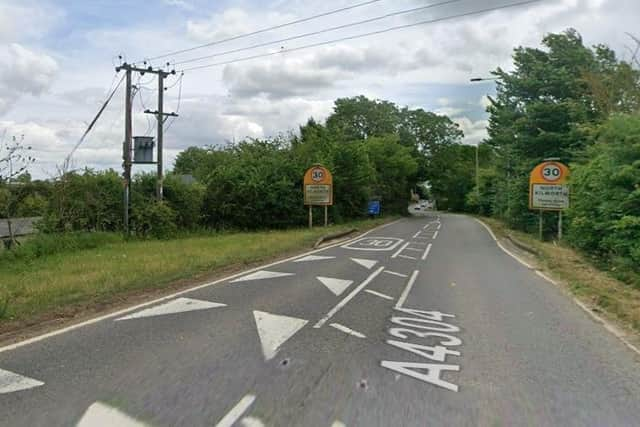
Passers-by Thomas Doheney and Martin Matkin were first on the scene after the motorcycle and a car collided on the afternoon of August 16 last year, in Lutterworth Road, North Kilworth. They found that the motorcyclist, who had blood coming from his helmet, was unconscious and his heart had stopped.
They immediately began administering cardiopulmonary resuscitation (CPR) to the man and continued until PCs Stephen Quartermain and Lewis Sparling arrived at the scene and took over until an ambulance arrived to take the man to hospital.
Thanks to the swift efforts of the four of them, the man’s heart started again. Now the four of them have been awarded Royal Humane Society Resuscitation Certificates and have won the personal praise of Andrew Chapman, secretary of the Society.

“For CPR to work it is essential that it is administered as soon as possible after the person’s heart has stopped,” he said.
“In this case there was hardly any delay between the crash and the start of CPR on the motorcyclist and it paid off. Thanks to their efforts his heart began beating again. They did a wonderful job and richly deserve the awards they are to receive.
“This is another of many cases we see which emphasise the need for as many people as possible, not just members of the emergency services, to learn how to administer CPR. It can, as it did in this case help make the difference between life and death.”
The roots of the Royal Humane Society stretch back nearly 250 years. Other than awards made by the Crown, it is the premier national body for honouring bravery in the saving of human life.
It was founded in 1774 by two of the day's eminent medical men, William Hawes and Thomas Cogan. Their primary motive was to promote techniques of resuscitation.
However, as it emerged that numerous people were prepared to put their own lives at risk to save others, the awards scheme evolved, and today a variety of awards are made depending on the bravery involved.