
Awaab’s Law comes into force - but industry experts warn of a new “crisis of competence” in mould remediation

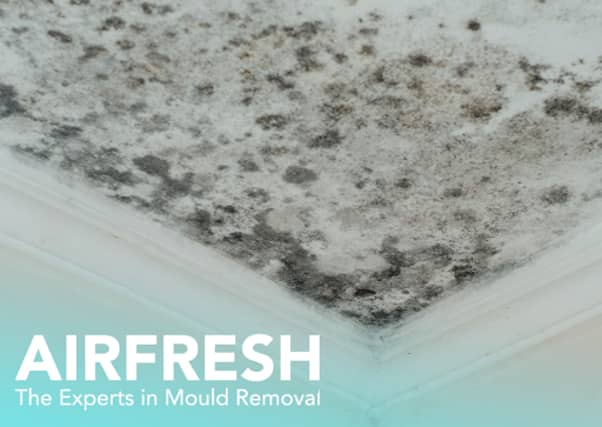

The introduction of Awaab’s Law marks a defining moment for housing safety in England, setting strict legal deadlines for landlords to investigate and fix serious mould and damp in social housing.
Under the legislation, landlords must investigate reported cases within 10 working days, complete repairs within five, and act within 24 hours in emergencies.
The law, named in memory of Awaab Ishak, a two-year-old boy who tragically died in 2020 due to prolonged mould exposure in social housing, represents a long-awaited step forward in tenant protection.
However, according to AirFresh Mould Removal, one of the UK’s most experienced remediation specialists, this new framework still leaves a dangerous gap. While it enforces speed, it does not enforce technical competency - a loophole that could lead to a rise in poorly executed, unsafe, and non-compliant mould treatments.
“Urgency Without Effectiveness Is False Reassurance”
“Awaab’s Law rightly forces landlords to act fast - but speed means nothing if the work isn’t done properly,” says Jo, Director at AirFresh Mould Removal. “We’re already seeing companies calling themselves ‘mould specialists’ with no real training or understanding of the science behind remediation. Urgency without effectiveness is false reassurance. True safety means treating the cause of mould, not just the visible symptoms.”
AirFresh warns that poorly handled mould remediation can be as dangerous as inaction - spreading spores, worsening contamination, or causing respiratory harm through improper chemical use. AirFresh is calling on the government, housing associations, and local authorities to go further by embedding IICRC S520, the global Standard for Professional Mold Remediation, into UK practice guidelines.

The IICRC S520 standard sets out rigorous procedures for identifying moisture sources, containing contaminated areas, using HEPA filtration, following PPE and health & safety protocols, and verifying that affected areas are truly safe before re-occupation.
“Painting over mould isn’t remediation - it’s concealment,” says Jo. “The IICRC S520 standard exists to protect health and ensure long-term results. The UK needs to adopt it across social housing and the wider property sector if we’re serious about ending this problem for good.
Since Awaab’s death, awareness of mould as a housing hazard has increased dramatically - but AirFresh says enforcement must extend beyond response times to technical performance and verification. The company urges local authorities and housing providers to vet contractors carefully, checking qualifications, containment procedures, and health & safety compliance before work begins.
“Right now, there’s no regulation preventing untrained firms from calling themselves ‘mould specialists’,” Jo adds. “That’s a loophole that puts lives at risk. We want to see mandatory training and certification brought in line with recognised international standards.”