
From burnout to breakthrough: Anna Mathur on redefining leadership through mental wellbeing
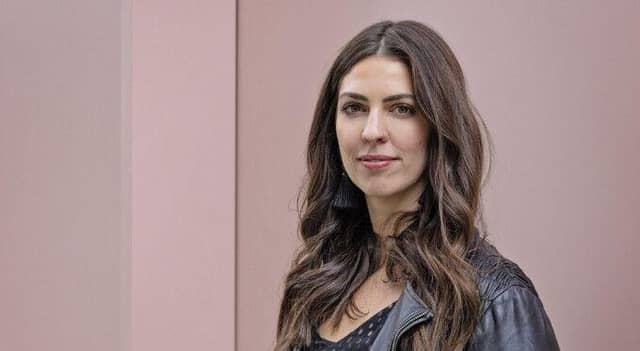

A graduate of Loughborough University, where she studied Social Psychology from 2004 to 2007, Anna Mathur has built on her academic foundations to become one of the UK’s most trusted voices in mental wellbeing.
Now a qualified psychotherapist, bestselling author and renowned mental health speaker, Anna is celebrated for her warm, relatable approach to topics like workplace stress, burnout and self-worth. Her hit podcast The Therapy Edit has reached millions, and she regularly partners with leading brands such as Google, Apple and Spotify.
In this exclusive interview with The Motivational Speakers Agency, Anna shares expert insights on dismantling hustle culture, championing neurodivergent talent and leading from a place of compassion and clarity.
Q: In the context of today’s relentless ‘hustle culture’, how can business leaders reframe rest not as a weakness, but as a strategic driver of long-term performance and resilience?
Anna Mathur: “Okay, so in today's fast-paced business world, this hustle culture is kind of put on a pedestal and it seems to be something that we need to reach towards and be shown to be hustling, you know. But how can business owners shift this mindset and recognise the power of rest?
“Now, hustle culture thrives on this myth that more hours equals more success. The more we're doing, the better the outcome. Actually, science says otherwise because rest isn't just recovery—it's actually fuel for creativity, it's fuel for decision-making, it also enables us to have more resilience. So, when we are burnt out and when we are tired, we are actually less able to access that part of our brain that is creative and decision-making and resilient.
“So, business owners can shift this mindset by actually viewing rest as an investment rather than an indulgence. It's a real kind of mind shift there. Rest is an investment; it is not an indulgence—it's a necessity, it's a need. So recognising that overwork leads to diminishing returns is also really important because it kind of takes that need to strive out of it and it starts valuing rest.
“So, chronic exhaustion—chronic exhaustion actually reduces effectiveness. So, if you are seeing that your workforce is just feeling floored and exhausted, you know, it's recognising that it's that overworking that actually is diminishing what people are able to do.
“So, prioritise sustainable success over those short-term productivity spikes that might look impressive in the short term, but actually overall you will see this slow trickling down of productivity. So yeah, think of ways to prioritise that sustainable success.”
Q: What concrete adjustments can organisations implement to foster more inclusive and supportive environments for neurodivergent professionals?
Anna Mathur: “Okay, so I have got four practical steps that businesses can take to better understand and support neurodivergent employees.
“So, number one is to create flexible work environments. It might be that you have noise-cancelling spaces, it might be that you have adjustable lighting, maybe it's remote work options. These things can make a massive difference—enabling people to feel accommodated for and comfortable.
“The second is to encourage open conversations. So many neurodivergent employees actually hesitate to disclose their needs due to stigma, so a culture of acceptance will mean that people do feel more confident in speaking out and sharing what they need to be able to work really well.
“Number three: re-evaluate performance metrics. Standardised metrics of productivity don’t always actually reflect true capability, do they? So, recognising diverse strengths in the way that you are measuring productivity is really important.
“Number four: make sure that you are providing really clear communication. It might be written instructions, it might be actually having really structured, measurable feedback. And also just clear expectations can really help neurodivergent employees thrive in the workplace.”
Q: From your perspective as a psychotherapist, how should business owners redefine leadership through the lens of self-worth rather than output?
Anna Mathur: “One piece of advice that I truly believe every business owner should hear about self-worth and leadership is that your worth is not measured entirely by your productivity. You know, the most effective leaders aren’t those who do the most, but actually those who empower the most.
“Because when you operate from a place of self-worth rather than that burnout and exhaustion, you actually are far more able to lead with clarity, with confidence and with compassion.”
Q: When delivering talks on workplace wellbeing, what core message or transformative shift do you most hope your audiences leave with?
Anna Mathur: “So, I really hope the audience take away from my public speeches the feeling of feeling actually really seen, really validated and empowered—but empowered with really tangible steps that help improve their well-being.
“Because my goal isn't just to provide insights, it's actually to spark really meaningful change in the way that people approach work and understand stress—and also self-compassion.”
This exclusive interview with Anna Mathur was conducted by Sophia Hayes of The Champions Speakers Agency.
For More Information: Champions Mental Health & Wellbeing Speakers